











Thank you to our sponsor
Viking Bags for their support of the Red Knights...

Read the article that Viking Bags posted about the Red Knights:
https://www.vikingbags.com/blogs/news/red-knights-firefighters-motorcycle-club
Here is another article from Viking Bags
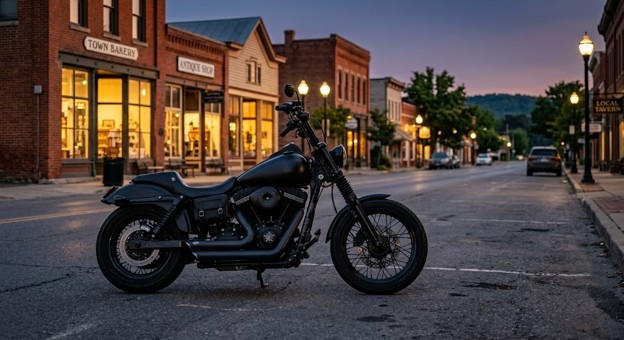
Motorcycle Bags: How to Build the Right Luggage Setup for Your Ride
Printable PDF version of article:
Motorcycle Bags: How to Build the Right Luggage Setup for Your Ride
Table of Contents:
3. Choosing Motorcycle Bags Based on Your Riding Style
4. How to Determins the Right Motorcycle Bag Capacity
5. Hard Motorcycle Bags vs. Soft Motorcycle Bags
6. Leather Motorcycle Bags vs. Modern Materials
7. Motorcycle Fitment: The Detail You Shouldn't Ignore
8. Why Exhaust Clearance Matters
9. Motorcycle Bag Mounting Systems
10. Weather Protection for Motorcycle Luggage
11. How to Distribute Weight in Motorcycle Bags
12. What Should You Keep in Motorcycle Bags
13. Common Motorcycle Bag Mistakes
14. A Simple Motorcycle Bag Selection Process
-Estimate Your Required Capacity
15. Frequently Asked Questions
-What are motorcycle bags used for?
-What type of motorcycle bag is best for long trips?
-Are motorcycle saddlebags good for everyday riding?
-Are soft motorcycle bags better than hard bags?
-How do I know if motorcycle bags will fit my bike?
-Can I use saddlebags and a sissy bar bag together?
-Are motorcycle bags waterproof?
-How should I pack motorcycle saddlebags?
16. Final Takeaway
A motorcycle can be an excellent way to travel, but limited storage can become a problem as soon as a ride gets longer than a few hours. A jacket, rain gear, tools, water, electronics, spare gloves, and personal belongings can quickly become difficult to carry.
That is where motorcycle bags come in.
The right motorcycle luggage setup can turn a motorcycle into a much more practical vehicle for commuting, weekend trips, touring, and adventure riding. But there is no universal luggage setup that works for every motorcycle or rider.
A cruiser used for weekend rides has different storage requirements than an adventure motorcycle crossing several states. Likewise, a commuter may need only one compact motorcycle bag, while a touring rider may need saddlebags, a tour pack, and additional storage.
The key is matching the luggage to the motorcycle, the journey, and the gear being carried.
Why Motorcycle Bags Matter
Motorcycle bags provide dedicated storage without requiring riders to carry everything on their body.
That matters for two reasons.
First, carrying heavy equipment in a backpack for several hours can become uncomfortable. Second, properly mounted motorcycle luggage can distribute cargo across the motorcycle rather than concentrating all the weight on the rider.
A well-planned luggage system can provide space for:
• Riding jackets and layers
• Rain gear
• Gloves
• Motorcycle tools
• First-aid supplies
• Water and snacks
• Electronics
• Chargers
• Personal belongings
• Spare clothing
• Camping or travel equipment
The important part is not simply adding more storage. It is creating a setup that remains secure, accessible, and appropriate for the motorcycle.
The Main Types of Motorcycle Bags
Before choosing motorcycle luggage, it helps to understand what each type is designed to do.
1. Motorcycle Saddlebags
Motorcycle saddlebags are mounted on the sides of the motorcycle, usually toward the rear.
They are a practical choice when a rider needs significant storage capacity. Because the bags are positioned on both sides, they can also help distribute cargo across the motorcycle.
Saddlebags come in several styles, including:
• Hard saddlebags
• Soft saddlebags
• Leather saddlebags
• Synthetic saddlebags
• Motorcycle-specific saddlebags
• Universal saddlebags
The right choice depends on the motorcycle and riding conditions.
For example, a rider who frequently commutes may prioritize easy access and security, while a long-distance rider may place greater importance on capacity and weather protection.
2. Sissy Bar Bags
Sissy bar bags attach to the motorcycle's rear sissy bar or passenger backrest.
They are particularly common on cruisers and touring motorcycles.
Their position makes them useful for carrying clothing, rain gear, personal belongings, and other items that might not fit comfortably in smaller bags.
One advantage is flexibility. Many sissy bar bags can be removed when the motorcycle is being used without luggage.
3. Tail Bags
Tail bags sit toward the rear of the motorcycle, often on a passenger seat or luggage rack.
They can be useful for riders who need additional storage but don't want a large set of saddlebags.
Tail bags are commonly used for:
• Short trips
• Commuting
• Day rides
• Sport motorcycles
• Naked motorcycles
• Supplementary touring storage
4. Tank Bags
Tank bags are positioned near the motorcycle's fuel tank.
Their biggest advantage is accessibility. Items that the rider may need during a trip can be kept close by rather than buried inside larger luggage.
Common tank-bag contents include phones, wallets, maps, sunglasses, charging cables, and small tools.
5. Tour Packs
Tour packs are larger rear-mounted storage systems designed primarily for touring motorcycles.
They can provide considerable additional capacity for riders traveling for several days.
A tour pack can also work alongside motorcycle saddlebags to create a larger touring luggage system.
6. Motorcycle Backpacks
Motorcycle backpacks remain useful because they can be taken off the bike and carried wherever the rider goes.
They can be particularly convenient for commuters, students, and riders who frequently move between the motorcycle and another location.
However, a backpack isn't always the best solution for heavy loads or extended rides because the rider carries the weight directly.
7. Motorcycle Panniers
Panniers are side-mounted luggage systems commonly associated with touring and adventure motorcycles.
They are often designed for riders who need substantial storage and durable construction for longer trips.
Adventure riders may combine panniers with a top case, tank bag, or tail bag to create a complete luggage system.
Choosing Motorcycle Bags Based on Your Riding Style
Your riding style should be one of the first things you consider.
Daily Commuting
A commuter generally doesn't need enormous motorcycle luggage.
A small saddlebag, tail bag, tank bag, or motorcycle backpack may provide enough room for everyday essentials.
The priorities are usually:
• Easy access
• Moderate capacity
• Simple installation
• Security
• Easy removal
Weekend Riding
Weekend riders typically need more capacity than commuters but less than riders traveling for weeks.
Medium-sized motorcycle saddlebags or sissy bar bags can provide room for clothing, rain gear, tools, and personal belongings.
Long-Distance Touring
Touring requires a different approach.
A rider may need clothing, toiletries, electronics, tools, rain equipment, food, and other travel supplies.
A combination such as:
Motorcycle saddlebags + tour pack + tank bag
can create separate storage zones while keeping frequently accessed items within reach.
Adventure Riding
Adventure riding often exposes luggage to more vibration, dirt, rain, and rough surfaces.
For this type of riding, riders commonly prioritize:
• Durable construction
• Secure mounting
• Weather resistance
• Large capacity
• Easy access
• Protection from dust and moisture
Panniers combined with smaller tank or tail bags can provide a flexible setup.
How to Determine the Right Motorcycle Bag Capacity
A common mistake is buying luggage based solely on maximum capacity.
More capacity can be useful, but it can also encourage riders to carry unnecessary equipment.
Instead, start with what you actually take on a typical ride.
For a day trip, you might need:
• Water
• Rain gear
• Small tools
• Gloves
• Phone charger
• Personal items
A weekend trip could require:
• Multiple clothing changes
• Toiletries
• Additional riding gear
• Electronics
• Emergency equipment
Long-distance travel may require significantly more.
The right motorcycle bag is therefore the one that provides enough capacity without creating unnecessary bulk or weight.
Hard Motorcycle Bags vs. Soft Motorcycle Bags
The hard-versus-soft decision is another major consideration.
Consideration |
Hard Bags |
Soft Bags |
Structure
|
Rigid |
Flexible |
Shape
|
Maintains shape |
Conforms to contents |
Protection
|
Strong structural protection |
Depends on construction |
Weight
|
Often heavier |
Often lighter |
Packing flexibility
|
Moderate |
High |
Security options
|
Common |
Varies |
Typical use |
Touring and commuting
|
Touring, adventure and flexible setups |
Hard motorcycle bags are useful when structure, security, and protection are priorities.
Soft motorcycle bags are attractive when flexibility, lighter weight, and easy removal matter more.
There is no universal winner. The motorcycle and type of riding should determine the choice.
Leather Motorcycle Bags vs. Modern Materials
Motorcycle luggage also varies significantly in construction.
Leather
Leather motorcycle bags are popular with cruiser riders and anyone looking for a traditional motorcycle appearance.
They can be durable and visually complement classic motorcycles, but leather requires maintenance and isn't automatically waterproof.
Synthetic Materials
Synthetic and textile luggage can provide a balance between durability, weight, flexibility, and weather resistance.
They are available in a wide variety of sizes and designs.
Hard-Shell Materials
Rigid motorcycle luggage may use plastic, composite materials, aluminum, or other hard-shell construction.
These materials can maintain their shape and provide additional protection for the contents.
Motorcycle Fitment: The Detail You Shouldn't Ignore
A motorcycle bag can look perfect in a product photograph and still be wrong for a particular motorcycle.
Motorcycles have different:
• Exhaust configurations
• Fender widths
• Suspension systems
• Turn-signal positions
• Passenger seats
• Frame dimensions
• Luggage racks
• Sissy bars
This is why fitment should be checked before buying motorcycle luggage.
Whenever possible, verify the exact make, model, and year of the motorcycle.
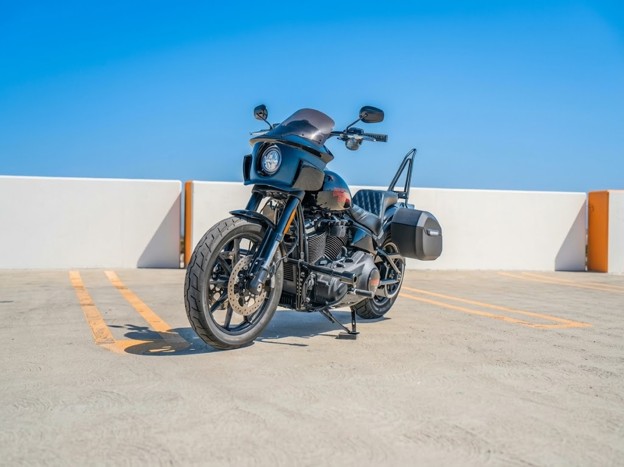
Also check whether the luggage provides enough clearance from the exhaust and rear wheel.
Why Exhaust Clearance Matters
Motorcycle exhaust systems can generate significant heat.
A bag positioned too close to the exhaust can be damaged, while heat-sensitive contents inside the luggage may also be affected.
Before riding, inspect the distance between the motorcycle bag and exhaust system.
This is particularly important when installing universal luggage or modifying an existing mounting system.
Motorcycle Bag Mounting Systems
Different motorcycle bags use different attachment methods.
Common approaches include:
• Permanent brackets
• Throw-over mounting
• Straps
• Buckles
• Quick-release systems
• Luggage racks
• Sissy bar mounting systems
The best mounting method depends on how frequently the luggage will be installed and removed.
A commuter who removes a bag every day may value quick-release hardware. A touring rider who leaves luggage installed for long periods may prefer a more permanent mounting system.
Weather Protection for Motorcycle Luggage
Rain is one of the biggest concerns when carrying electronics, clothing, documents, and other moisture-sensitive items.
But "water-resistant" and "waterproof" do not always mean the same thing.
A rider should check the actual construction of the motorcycle bag and understand whether it relies on:
• Waterproof materials
• Sealed closures
• Waterproof liners
• Rain covers
• Water-resistant fabrics
Even when luggage has weather-resistant construction, sensitive items can benefit from additional internal protection.
How to Distribute Weight in Motorcycle Bags
Packing technique can affect the motorcycle's behavior.
Heavy objects should generally be secured and positioned low rather than being stacked at the highest point of the luggage.
When using two saddlebags, avoid putting significantly more weight on one side.
For rear-mounted luggage, be conscious of how much weight is being placed behind the motorcycle's center.
Always follow the motorcycle and luggage manufacturer's load recommendations.
What Should You Keep in Motorcycle Bags?
There is no universal packing list, but many riders benefit from carrying a few basic categories.
Emergency Items
• Basic first-aid supplies
• Flashlight
• Emergency contact information
• Small repair equipment
Weather Equipment
• Rain jacket
• Rain pants
• Spare gloves
• Additional layers
Motorcycle Equipment
• Basic tools
• Tire-repair equipment where appropriate
• Charging equipment
• Spare straps or attachment hardware
Personal Items
• Wallet
• Sunglasses
• Medication
• Water
• Snacks
• Electronics
The contents should be adjusted according to the length and environment of the ride.
Common Motorcycle Bag Mistakes
Buying Without Checking Fitment
A bag that doesn't fit correctly can create clearance and mounting problems.
Overloading the Luggage
More capacity does not mean the motorcycle should be loaded to its maximum every time.
Ignoring Weather Protection
A bag that looks durable may not protect sensitive equipment from heavy rain.
Poor Weight Distribution
Concentrating heavy equipment in one location can change the motorcycle's handling.
Loose Mounting
Every strap, buckle, bracket, and mounting point should be checked before riding.
Choosing Appearance Over Function
A motorcycle bag should complement the motorcycle, but appearance shouldn't be the only consideration.
Storage capacity, mounting, weather protection, security, and fitment matter just as much.
A Simple Motorcycle Bag Selection Process
If you're unsure where to start, use this five-step process.
Step 1: Identify Your Motorcycle
Write down the exact make, model, and year.
Step 2: Identify Your Riding Style
Decide whether your primary use is commuting, day riding, weekend travel, touring, or adventure riding.
Step 3: Estimate Your Required Capacity
List the items you normally carry rather than choosing based only on the largest available bag.
Step 4: Choose the Appropriate Luggage Types
Select between saddlebags, sissy bar bags, tail bags, tank bags, backpacks, panniers, or tour packs.
Step 5: Verify Installation and Clearance
Before riding, make sure the luggage doesn't interfere with the exhaust, wheel, suspension, passenger area, turn signals, or other motorcycle components.
Frequently Asked Questions
What are motorcycle bags used for?
Motorcycle bags are used to carry personal belongings, riding gear, tools, clothing, electronics, and other equipment while riding. They can be mounted to different areas of a motorcycle depending on the luggage type.
What type of motorcycle bag is best for long trips?
For long-distance travel, riders commonly use larger motorcycle saddlebags, tour packs, panniers, sissy bar bags, or combinations of these. The best choice depends on the motorcycle and amount of gear being carried.
Are motorcycle saddlebags good for everyday riding?
Yes. Motorcycle saddlebags can be practical for everyday riding because they provide dedicated storage without requiring the rider to carry heavy equipment on their back.
Are soft motorcycle bags better than hard bags?
Neither is universally better. Hard motorcycle bags provide rigidity and structural protection, while soft bags offer flexibility and can often be lighter. The better option depends on the rider's motorcycle and intended use.
How do I know if motorcycle bags will fit my bike?
Check the manufacturer's fitment information for the exact motorcycle make, model, and year. Also verify clearance around the exhaust, rear wheel, suspension, turn signals, passenger seat, and other components.
Can I use saddlebags and a sissy bar bag together?
Yes. Combining motorcycle saddlebags with a sissy bar bag can increase available storage, particularly for weekend and touring rides. The combined load should remain within recommended weight limits.
Are motorcycle bags waterproof?
Some are waterproof, while others are only water-resistant. Check the product specifications and consider waterproof liners or internal dry bags when carrying moisture-sensitive equipment.
How should I pack motorcycle saddlebags?
Pack heavy items securely and keep the weight reasonably balanced between both sides. Frequently used items should remain accessible, and nothing should be able to shift into the motorcycle's moving or heated components.
Do motorcycle bags affect motorcycle handling?
Yes. Additional luggage changes the motorcycle's total weight and weight distribution. Heavy or poorly distributed loads can influence handling, so riders should stay within recommended load limits.
How many motorcycle bags do I need?
There is no fixed number. A commuter may need one small bag, while a touring rider may use saddlebags, a tour pack, and a tank or sissy bar bag. The right number depends on the trip and amount of equipment.
Final Takeaway
Choosing motorcycle bags should start with the motorcycle and the rider's actual needs, not with the largest storage capacity available.
A commuter may need a compact tail or tank bag. A cruiser rider may prefer saddlebags or a sissy bar bag. A long-distance traveler may benefit from a combination of saddlebags, a tour pack, and smaller accessory luggage. Adventure riders may prioritize durable panniers and weather-resistant storage.
Whatever setup you choose, pay attention to fitment, capacity, mounting, weather protection, weight distribution, exhaust clearance, and accessibility .
The goal is simple: carry the equipment you need without making the motorcycle unnecessarily heavy, difficult to manage, or cluttered.
For riders researching different types of motorcycle luggage, VikingBags provides options across several motorcycle storage categories, including saddlebags, sissy bar bags, backpacks, tour packs, and other motorcycle bags.
A thoughtfully selected luggage system can make everything from the daily commute to a multi-day motorcycle adventure more convenient.
Printable PDF version of article:
Motorcycle Bags: How to Build the Right Luggage Setup for Your Ride